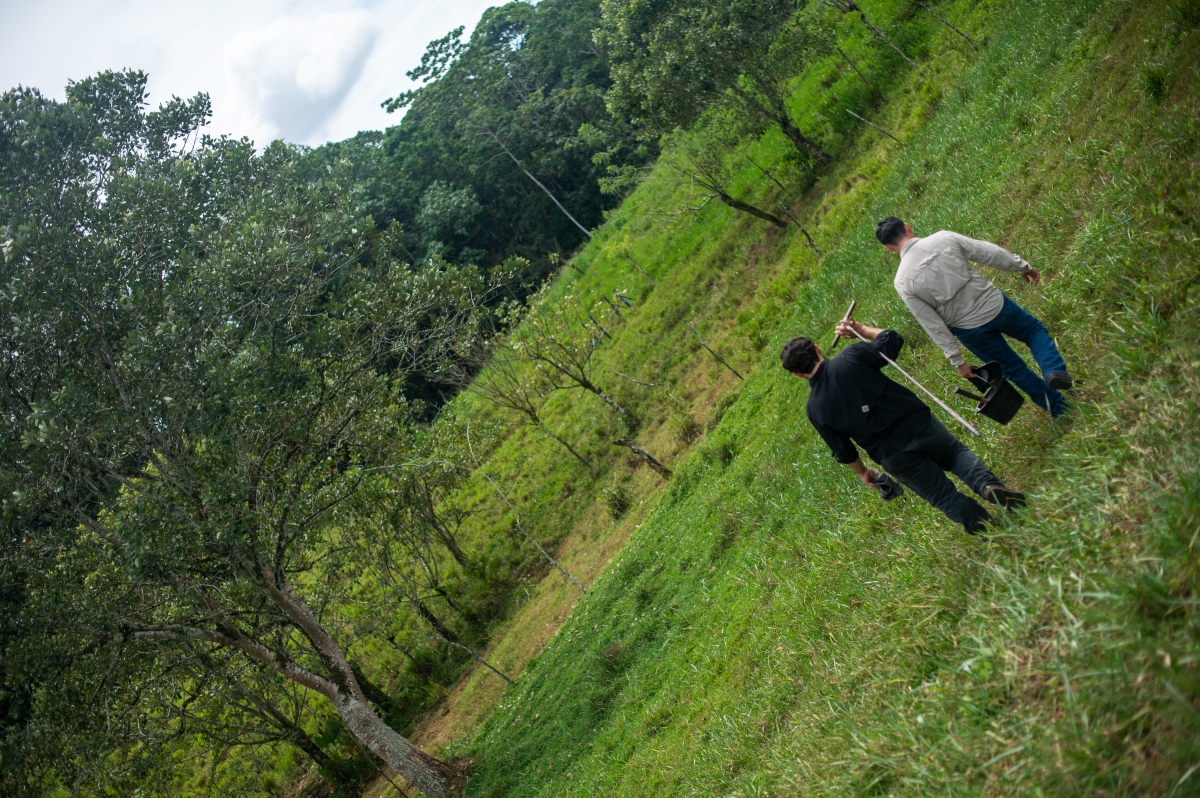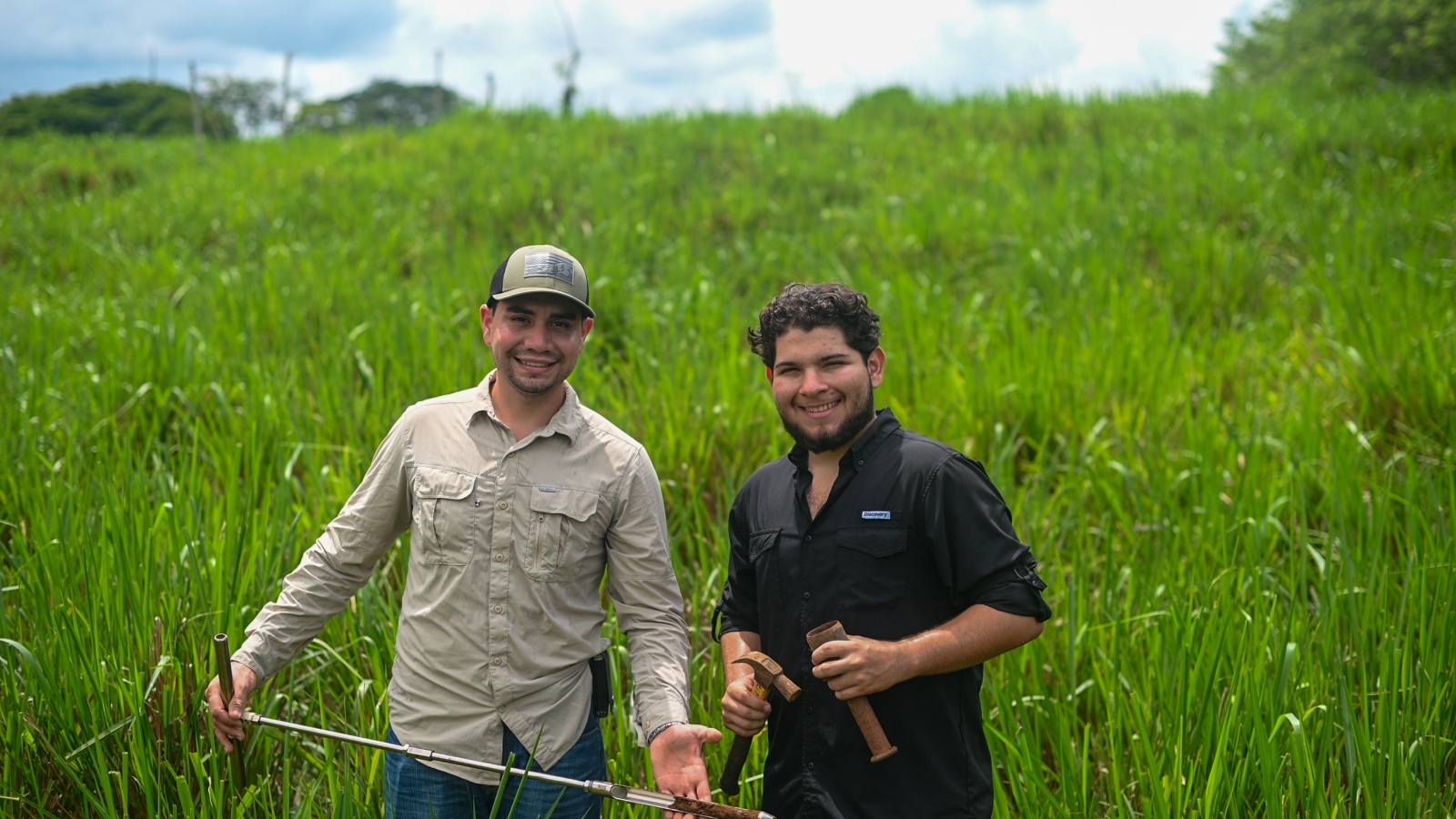
Although more than 3,600 kilometers separate the department of Beni in Bolivia from the province of Limón, Costa Rica, a thread connecting these two rural communities was joined at EARTH through students Jhonatan Ribera Nacif (Class of 2026, Bolivia) and Carlos Alfaro Vásquez (Class of 2026, Costa Rica). Because they shared an interest in livestock farming, Jhonatan and Carlos decided to develop their Graduation Project (GP) together.
Over the course of several months, they investigated organic carbon concentrations across three types of pasture, comparing them to those found in the soil of a secondary forest. The three types of pasture evaluated were:
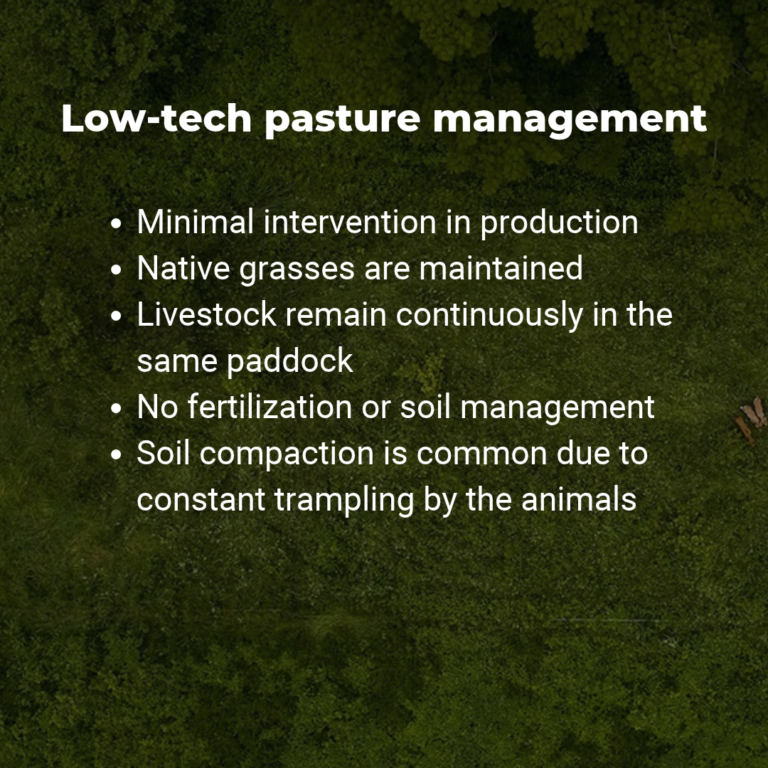
- Low-tech pasture with Ratana grass, one of the most common forages in Latin American livestock farming.
- Medium-tech pasture with Marandu grass, native to Africa and widely planted across South America.
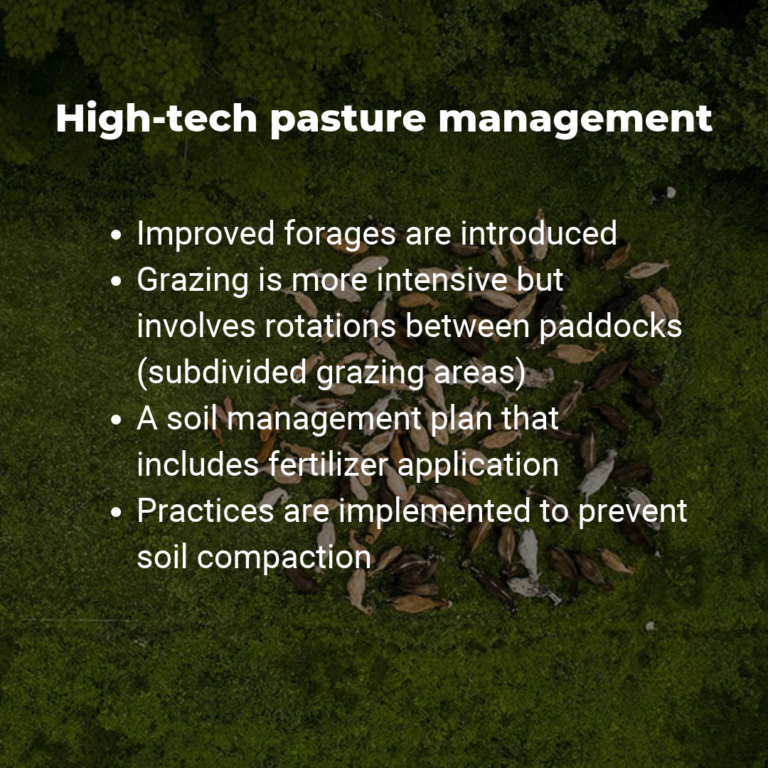
- High-tech pasture with Mombasa grass, also native to Africa.


Organic carbon is essential for soil health, as it is linked to fertility, nutrition, structure, moisture retention, and even climate change mitigation. “Organic carbon defines soil fertility, water retention, and the capacity to retain minerals. We decided to compare it with a secondary forest that receives no human intervention to see how well or poorly the pastures are doing,” explains Jhonatan, who came up with the idea after studying the importance of this element beneath the surface.
With a clear focus, they evaluated several plot characteristics, including soil profiles with a physical description, laboratory soil analyses, microbial activity, and bulk density. Bulk density is one of the most important properties for assessing soil health as it measures the ratio between the mass of dry soil and the total volume it occupies (grams per cubic centimeter, g/cm³). A high bulk density indicates that the soil is compacted; a low bulk density suggests the soil is porous and well-structured, allowing water to penetrate and roots to develop. Bulk density is required to calculate organic carbon stocks.
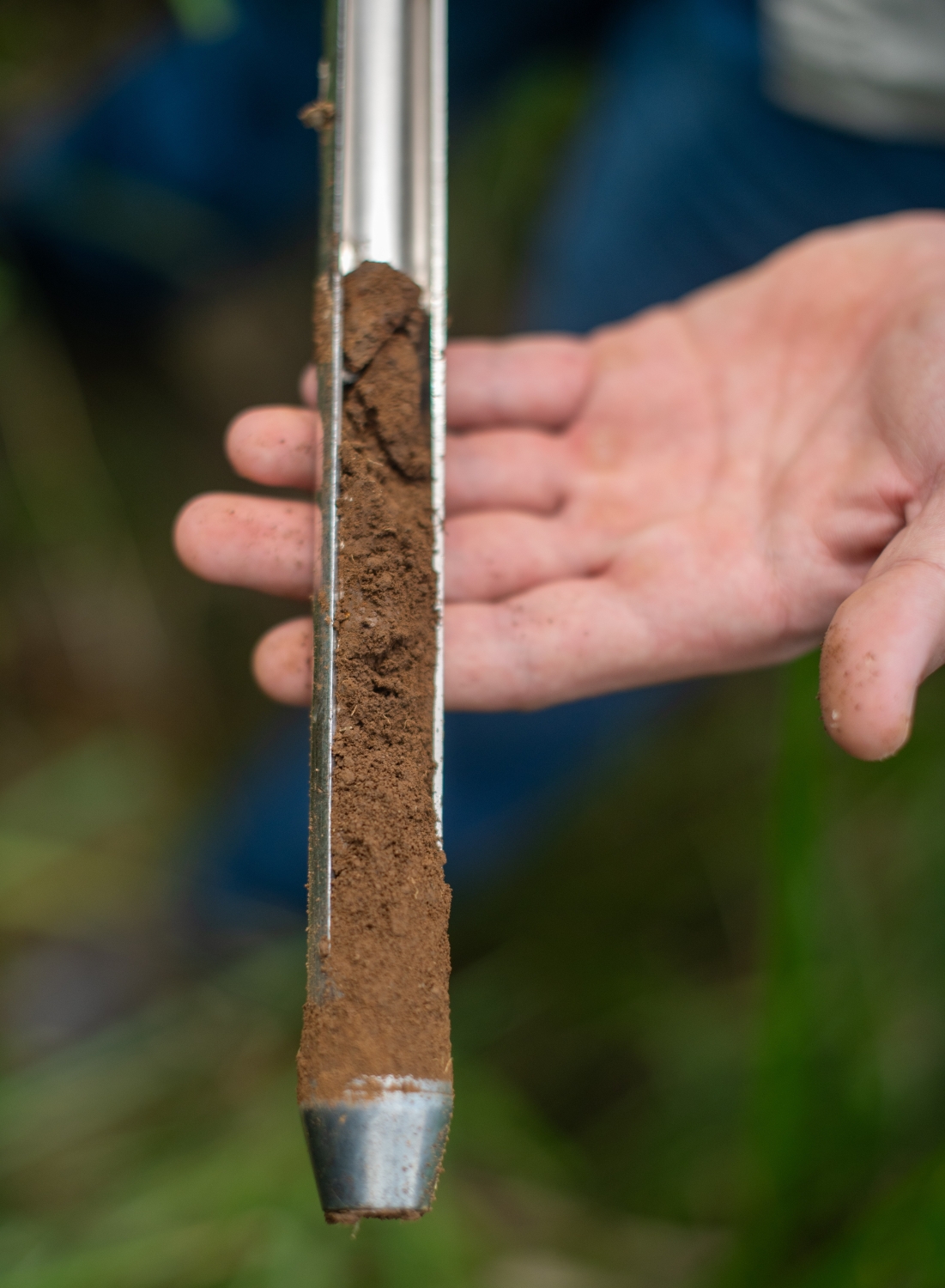
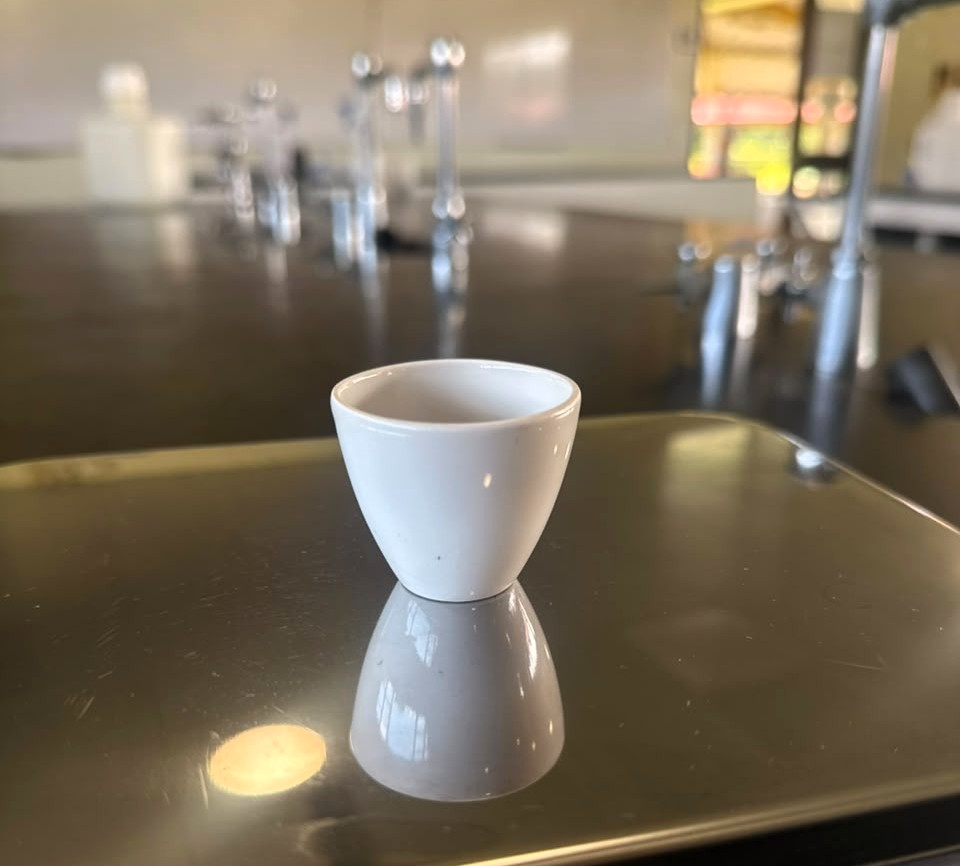
The study of organic carbon requires meticulous work. Jhonatan and Carlos collected more than 100 soil samples, which were dried in an oven and weighed at the Soils, Water, and Foliar Laboratory to measure their bulk density. For this measurement they used porcelain containers called crucibles. These were brought to “constant mass,” meaning the empty container underwent cycles of heating, cooling, and weighing until its weight stabilizes and is free of residue.
They then placed 5 grams of soil sample into the crucibles. The samples were dried until they reached a constant mass before the carbon content was determined—a drying process that took eight days. “When they reach a constant weight, the difference between five grams and that final constant weight represents the carbon fraction, which we then multiply by the bulk density and other factors. There are two ways to calculate carbon stock. We used the dry combustion method, also known as the Dumas method,” Carlos says.
The Dumas method is based on the combustion of the sample in the presence of oxygen, oxidizing the carbon to CO₂, which allows the amount of organic carbon to be determined. This was the core measurement used in Carlos and Jhonatan's Graduation Project.
Results, Surprises, and Useful Information
The analysis concluded that the secondary forest, the high-tech plot (Mombasa grass) and the medium-tech plot (Marandu grass) all contained the same organic carbon concentration. The low-tech area (Ratana grass) showed a significant difference.
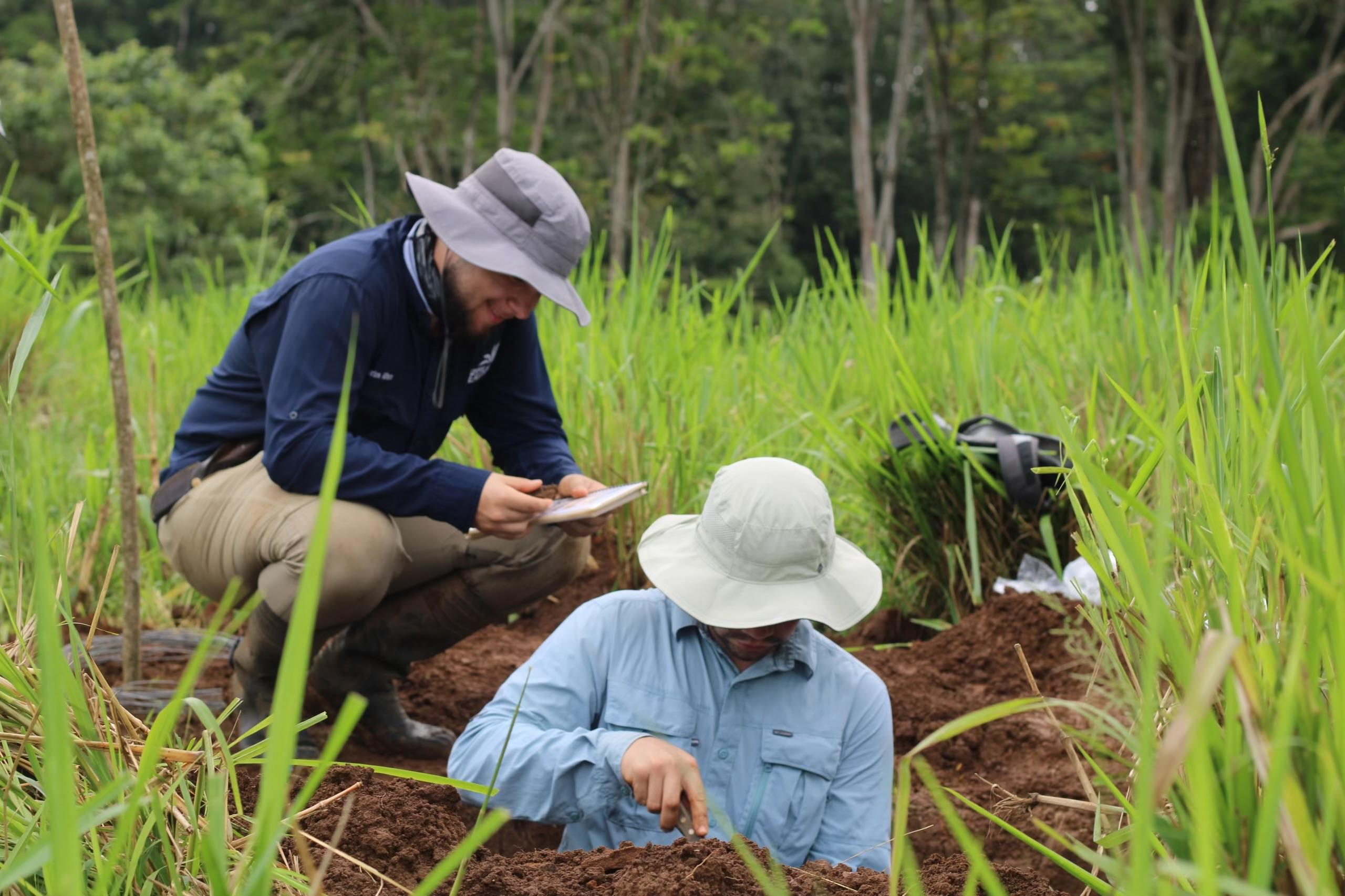
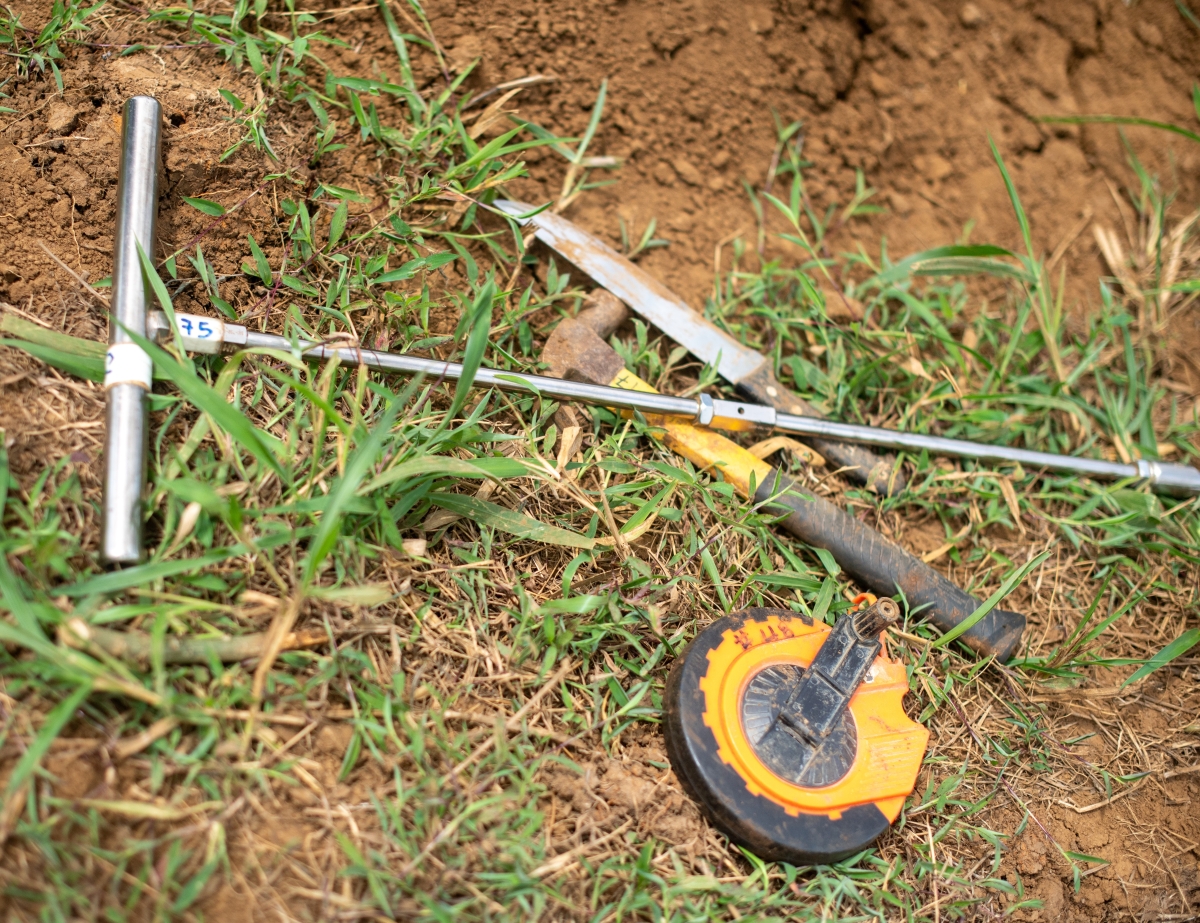
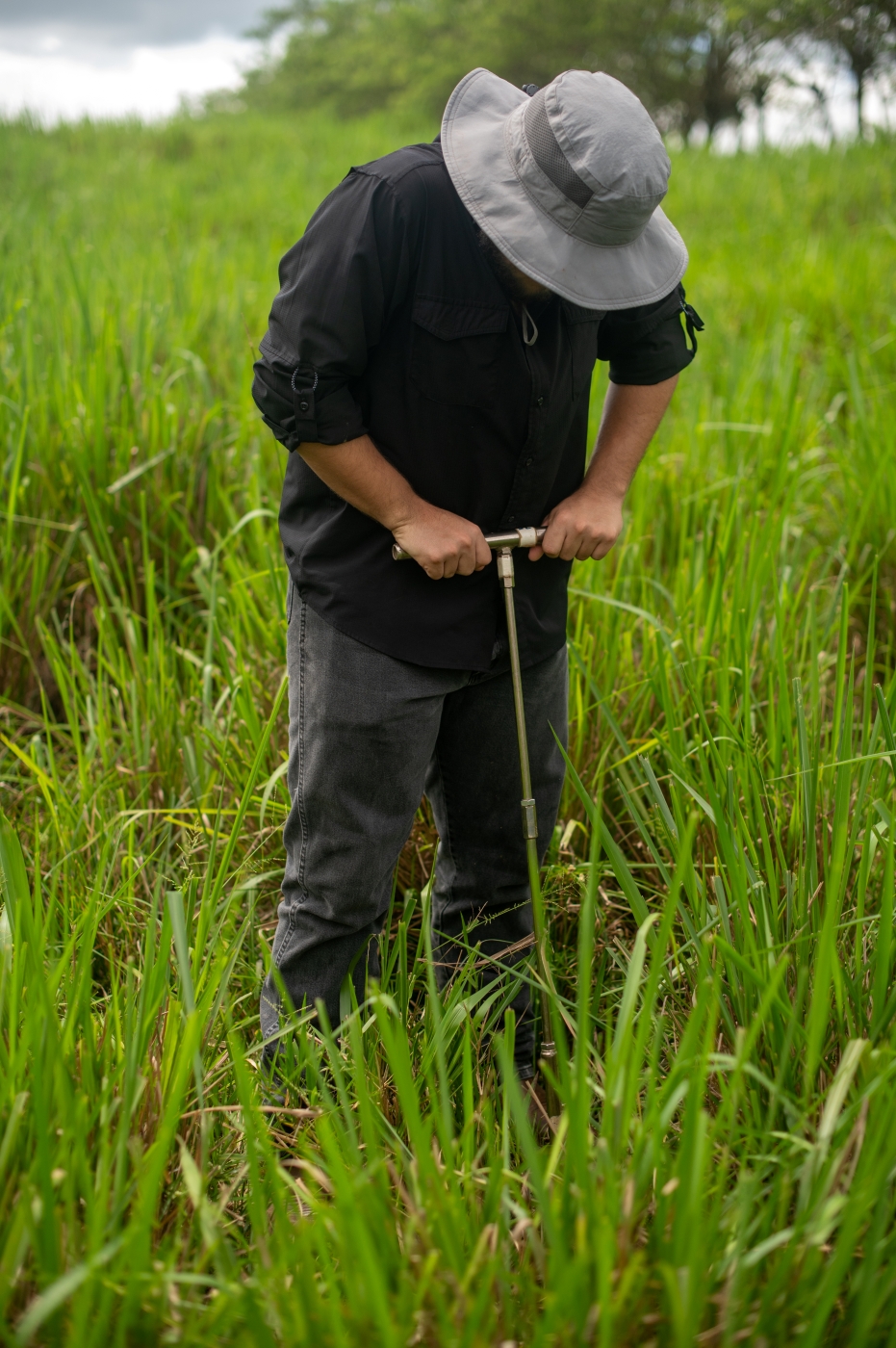
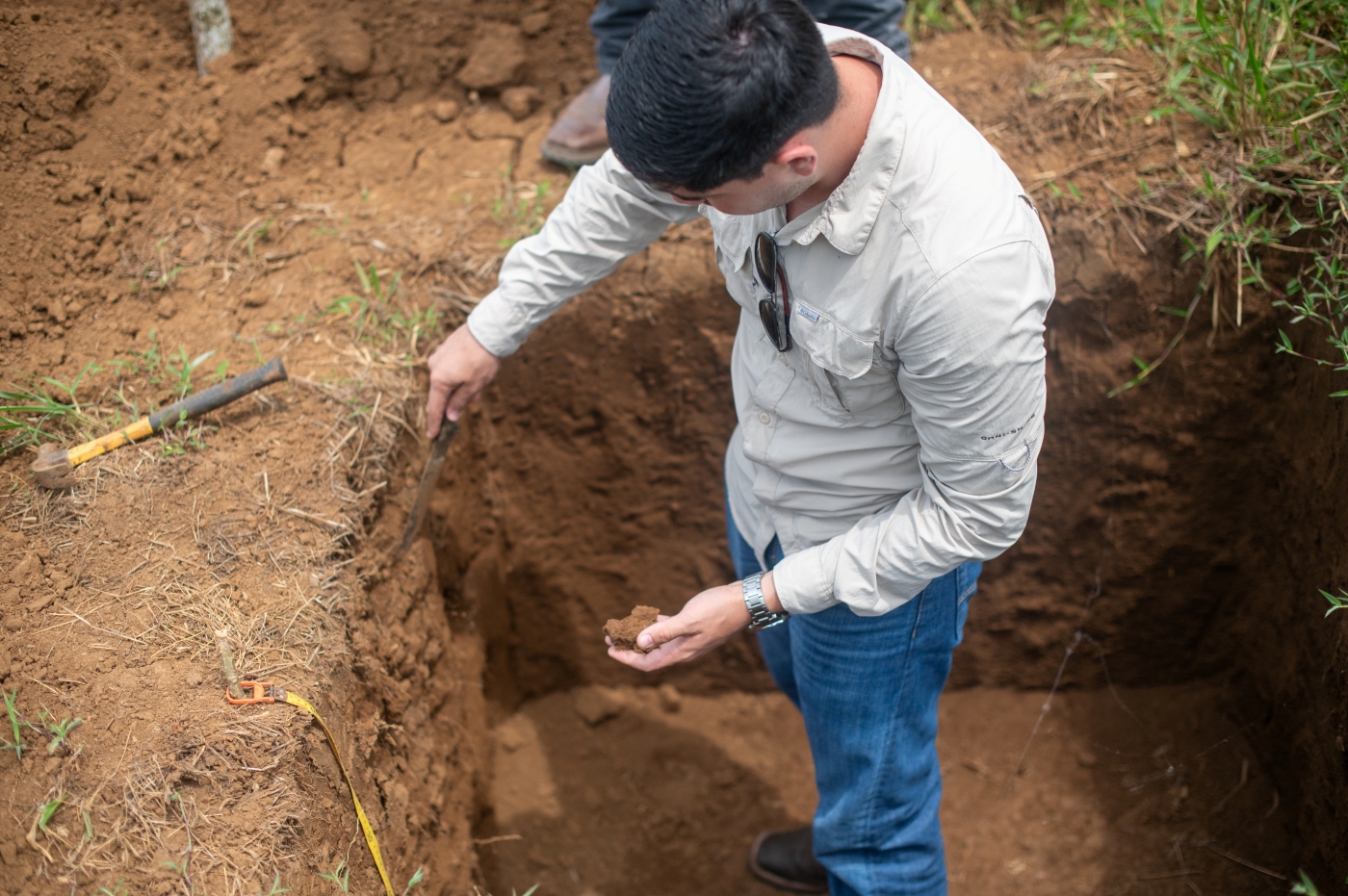
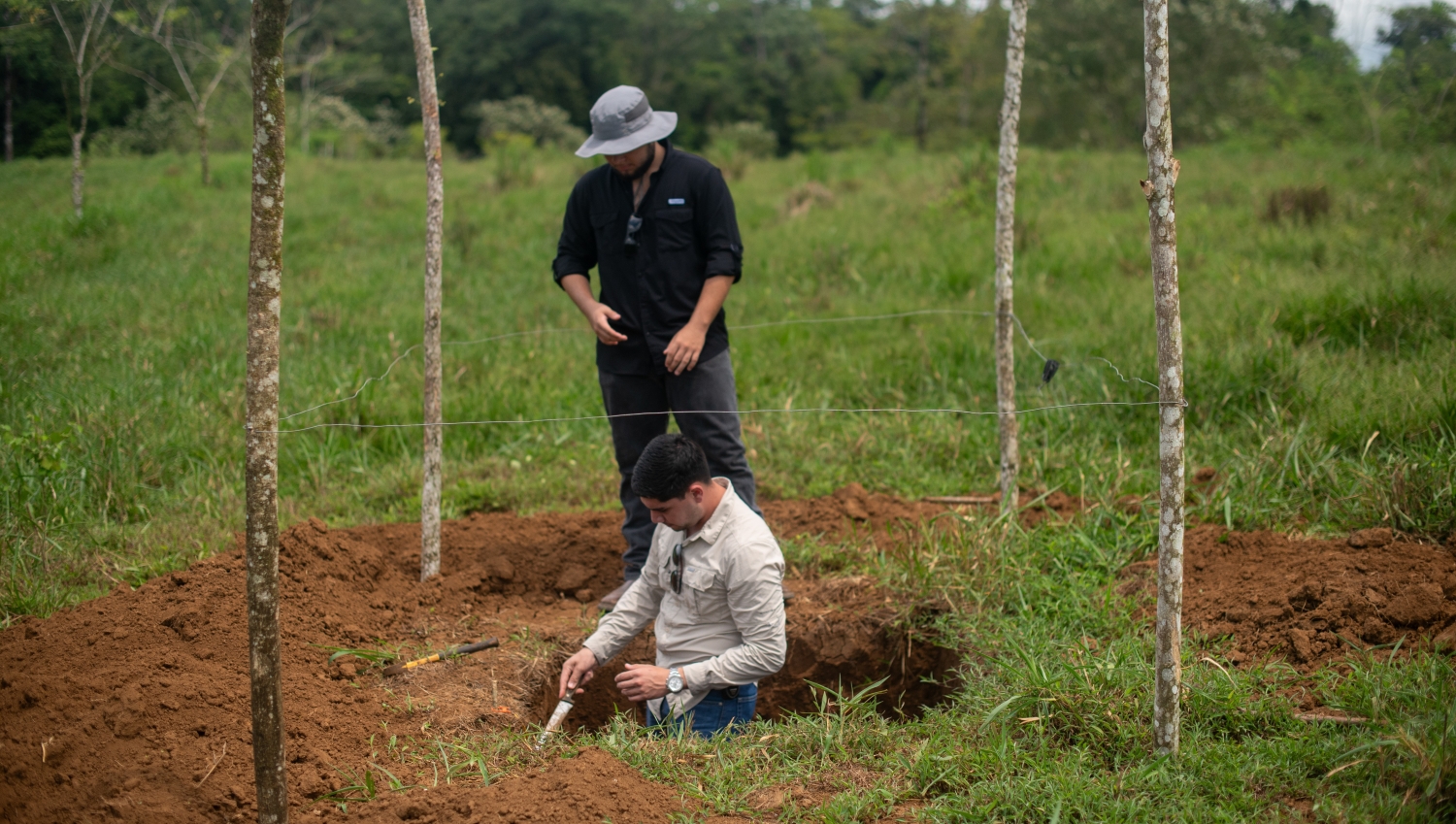
“We were surprised. When we dug the soil pits (1 meter-deep excavations), we observed roots of these grasses (high- and medium-tech) at a depth of 90 centimeters into the soil, deep down. From there, we can discuss the carbon results, because they are basically matching those of the forest,” notes Carlos. It should be noted, however, that this comparison is at the soil level, and does not account for the forest’s above-ground biomass (trunks, branches, leaves, etc.). “Forest root systems are not as dense as those found in pastures. Pastures are like a thick head of hair on top. In a forest, you only see the roots of the predominant trees. This needs to be clarified, as many people get confused. We analyzed what fixes the soil; that is our evaluation.”
“All that accumulated biomass is absorbed through the roots. The root volume is what generates the high volume of organic carbon found in Marandu and Mombasa grasses compared to the secondary forest. The root is an essential element,” adds Jhonatan.
The results confirm that proper pasture management enables greater organic carbon absorption in the soil, creating a more fertile, healthy field teeming with beneficial microorganisms. “There is no difference in organic carbon between a secondary forest and a well-managed grazing system. When I say well-managed, I mean having the right stocking rate, the proper recovery period, and returning the nutrients to the soil that are taken from it,” concludes Carlos.
Carlos and Jhonatan emphasize that their Graduation Project helps clarify the importance of organic carbon for soil health and livestock production. They both hope these findings can be shared with cattle ranchers and livestock companies so they can conduct their own measurements and improve their pasture management. They will then be able to look beneath the surface and develop a more productive, sustainable, and efficient livestock operation.