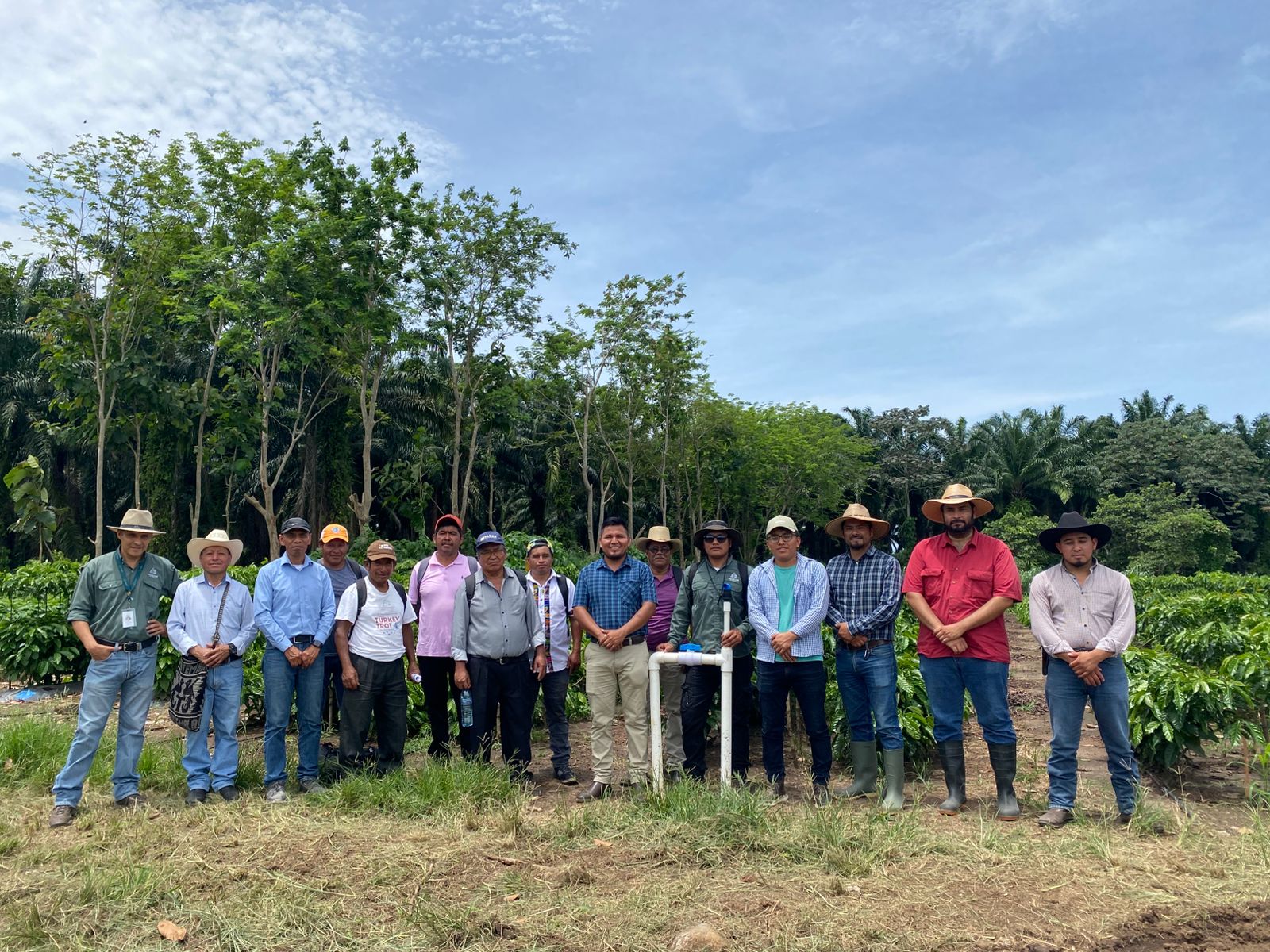
In San Juan La Laguna, Sololá, Guatemala, coffee is more than a crop—it is a vital part of community identity and socio-economic resilience. Federico Manuel Ujpan, a smallholder coffee farmer and Vice President of the La Voz que Clama en el Desierto Cooperative, knows this well. With more than six decades of life and a deep connection to farming since childhood, Federico is one of the producers participating in the Resilient Agrifood Systems (RAS) Project led by EARTH Futures—an initiative that supports rural communities in Costa Rica and Guatemala in building more sustainable, resilient, and equitable production systems.
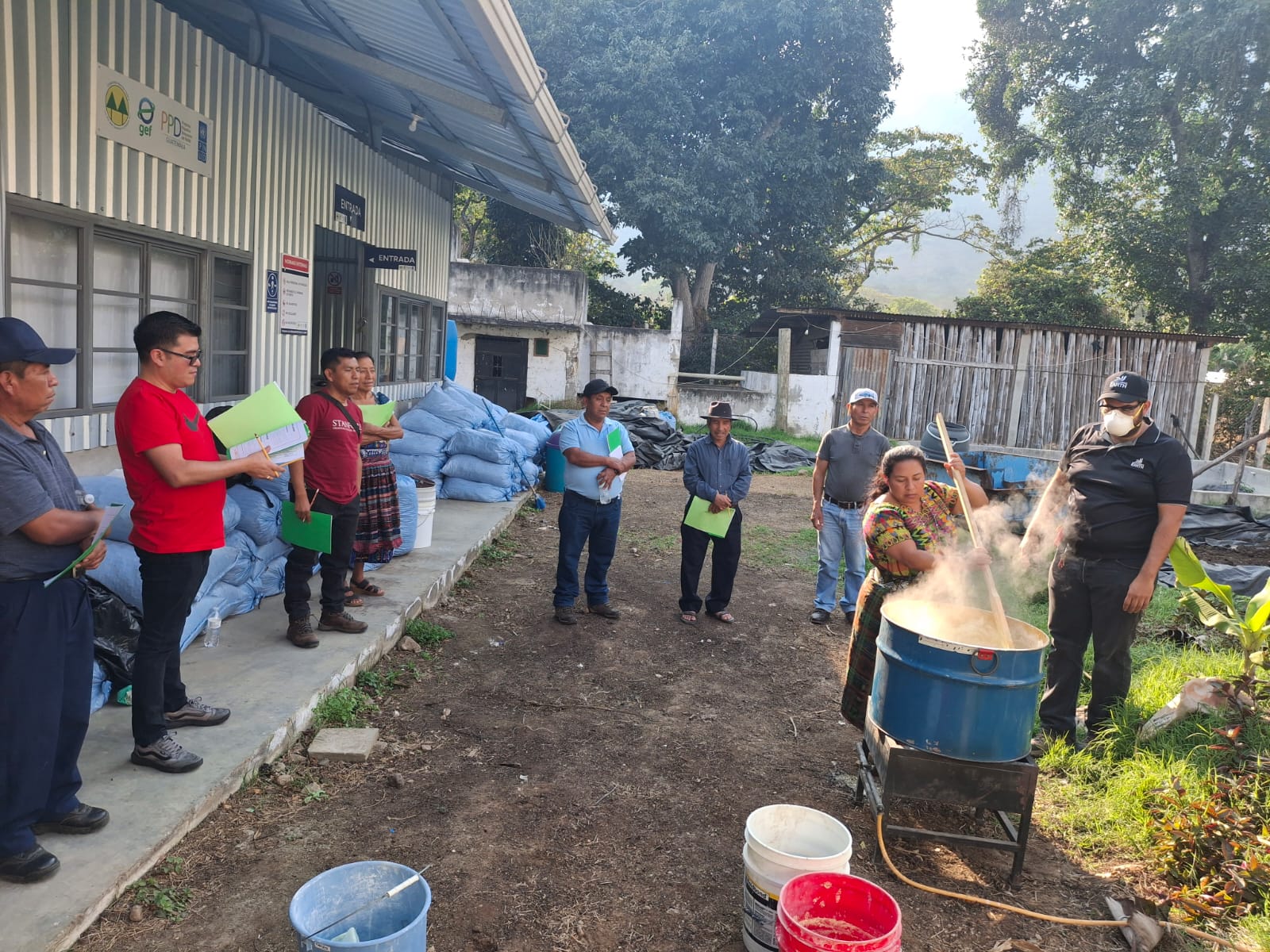
Founded nearly 50 years ago, the Cooperative brings together approximately 165 producers, about 40 of whom are women. Its focus is on certified organic coffee production exported to Canada, the United States, and several European countries. During the peak harvest season, from December to March, Federico balances his role as a producer with cooperative leadership, navigating the challenges of a volatile market, ongoing migration, and an increasingly complex rural context.
Along this journey, the support of the RAS Project, together with strategic partners, has been key for Federico and other Cooperative members, who have received training to strengthen both their production practices and interpersonal skills. According to Pablo Chacón, Project Manager for EARTH Futures in Guatemala, the project has focused on three strategic areas: market access, production system management, and organizational strengthening.
“Through the trainings we have learned about shade management, organic fertilizer production, water harvesting, and environmental practices,” Federico shares.
He also highlights the support provided through equipment—including chainsaws, brush cutters, sprayers, and pruning tools—which has helped streamline processes amid labor shortages.
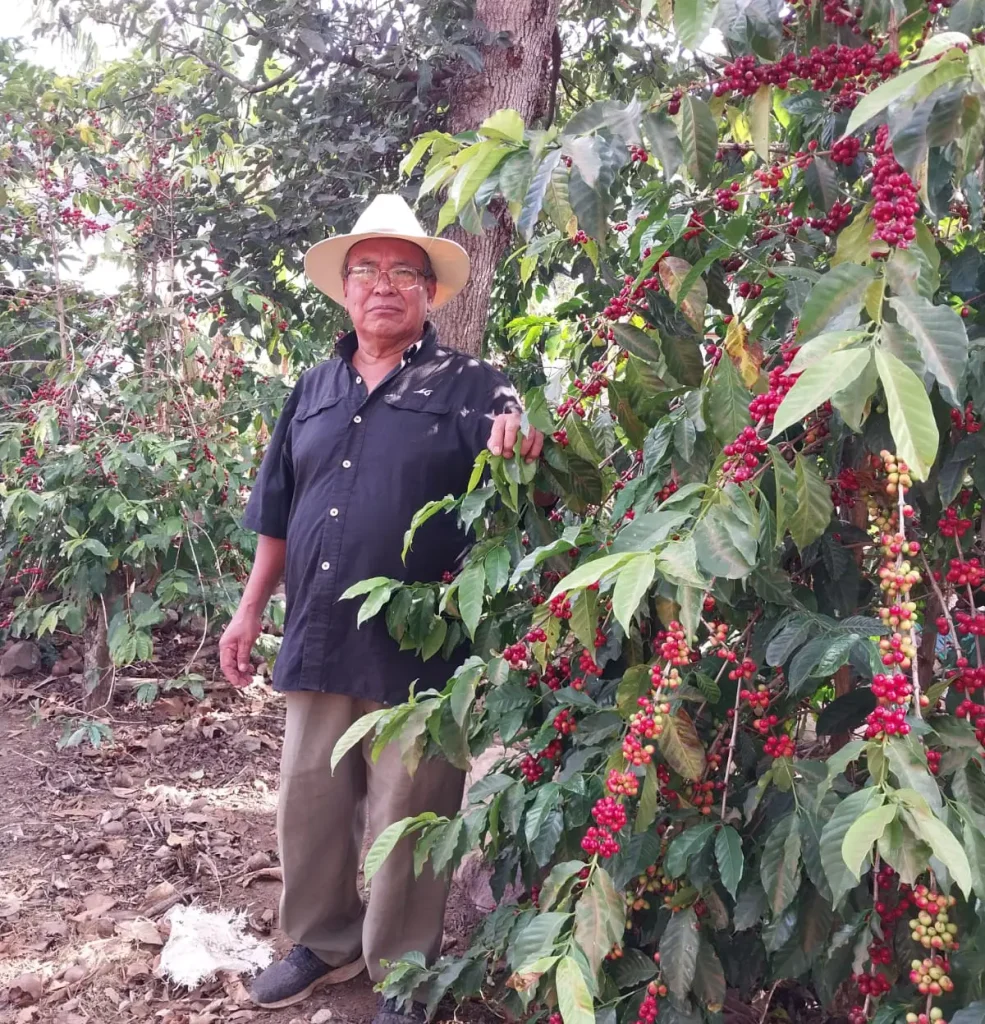
In terms of market access, RAS has prioritized strengthening the Cooperative’s business model by developing new product lines and consolidating existing ones, including agrotourism services that add value to coffee production and diversify family incomes. The Cooperative operates two coffee shops where visitors can learn about the coffee process from seed to cup.
Regarding production system management, efforts have focused on reducing costs through cooperative services that make coffee plantation maintenance more affordable. In addition, the RAS team has supported the establishment of a biofactory and the design of new bio-inputs for coffee management, reinforcing the transition toward more sustainable and self-managed practices. On the organizational side, EARTH Futures has accompanied the Cooperative in updating its bylaws—a key step in strengthening governance and ensuring long-term sustainability.
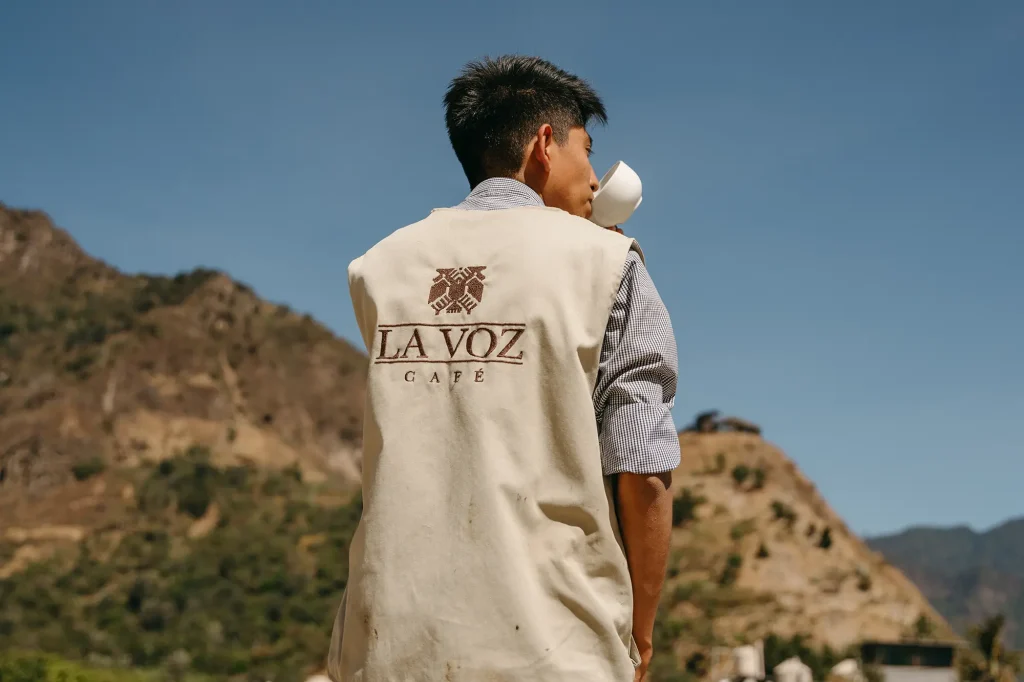
For Federico, coffee is not just an export product; it is a legacy now at risk due to concerns about generational renewal. The lack of young people in rural areas raises urgent questions about the future of coffee farming in the region. In this context, the coordinated work between cooperatives and initiatives like RAS shows that resilience can be built through knowledge sharing, strong organization, and a long-term vision—by and for producers.