Around 60 years ago, Doris Corrales Valverde was the keeper of the beans her family cultivated. Her father had given her that responsibility. She learned to lay them out in the sun during the dry season, and to run like an Olympic medalist whenever rain approached, gathering them quickly and placing them inside a small shed to protect them from the moisture. She also learned the precise way to beat the dry pods with a fallen tree branch, releasing the dark beans that would later be used to make soup or gallo pinto, everyday meals in Costa Rica. This was the school Doris attended as a child. She was not able to attend traditional classrooms to learn how to write or do math, but she learned how to open furrows in the soil, milk cows, make fresh cheese, and select the best beans one by one, with skill and agility.
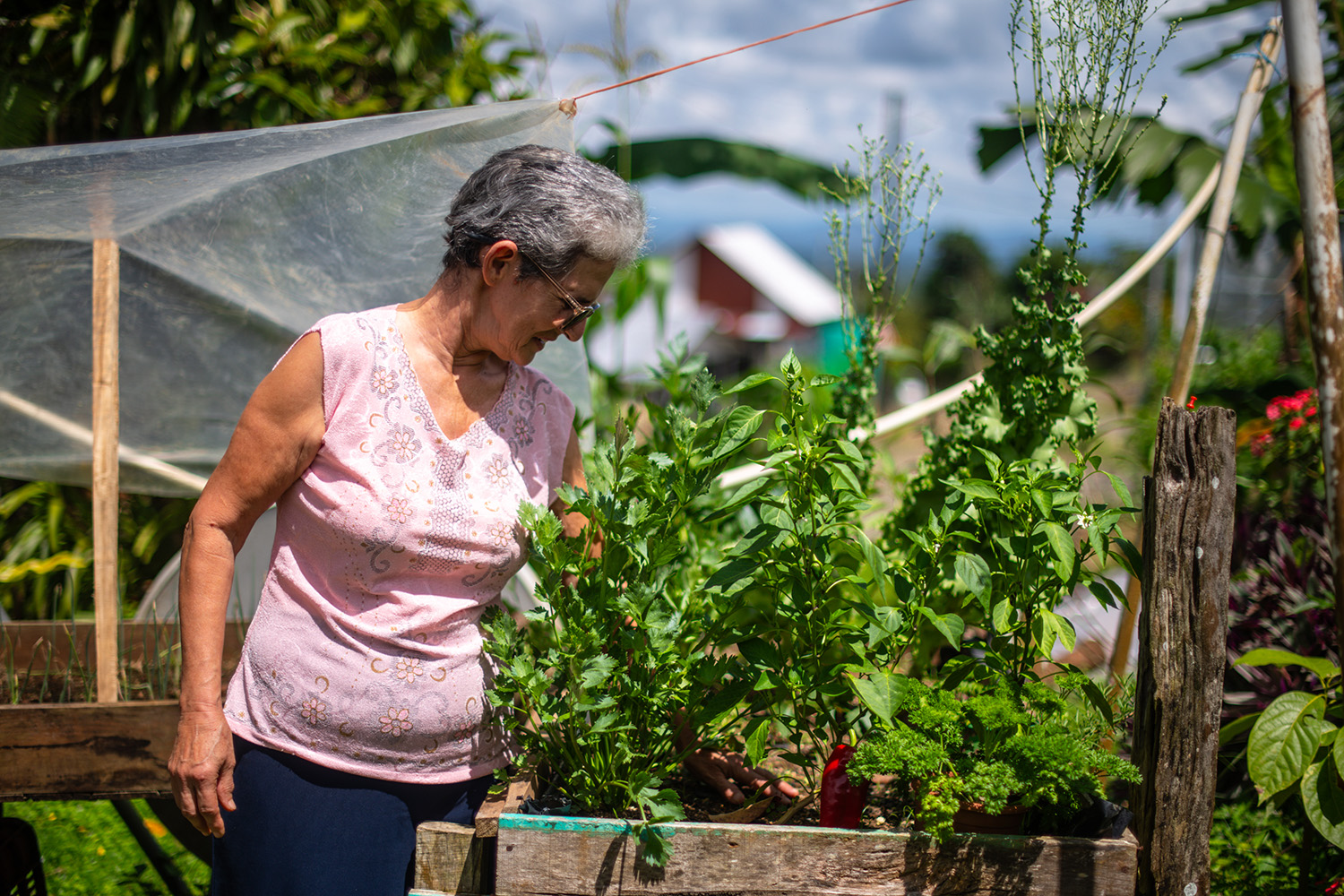
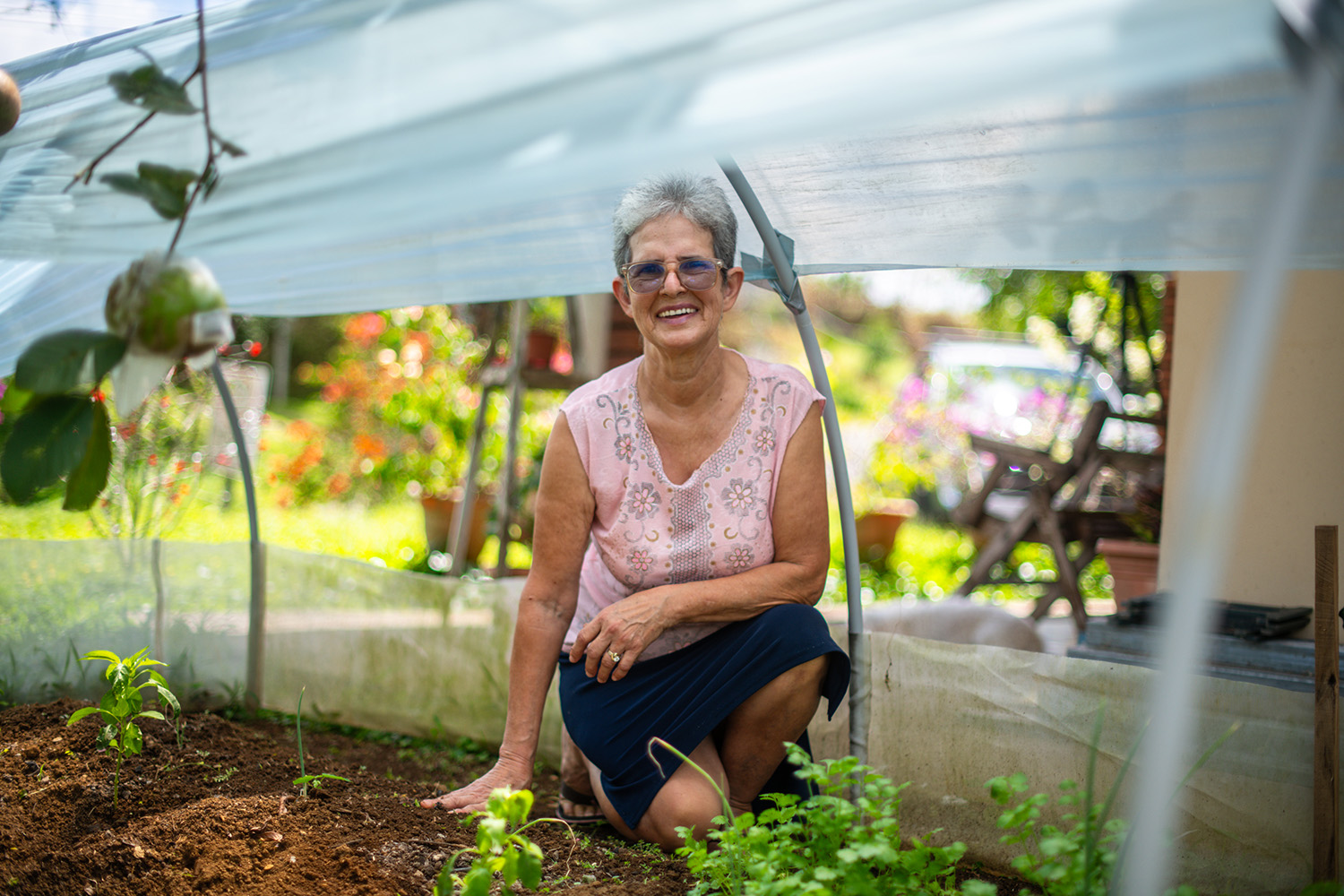
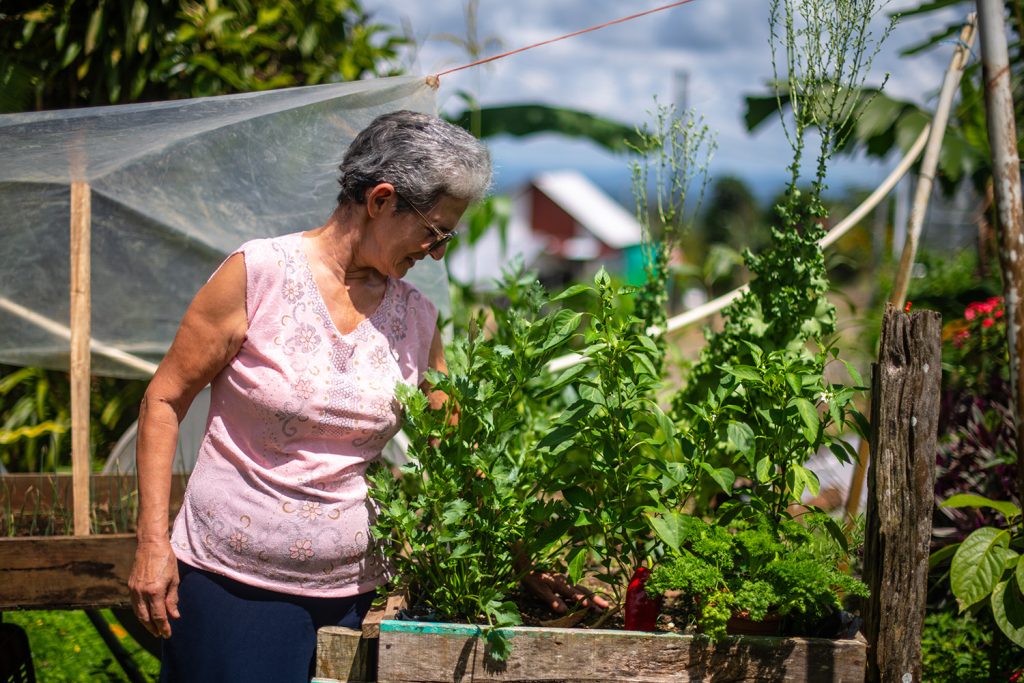
Today, Doris lives in a house surrounded by nature. She is a wife and mother of three. On the walls of her home hang paintings of rural landscapes and religious images that she painted herself. She also keeps a garden where she grows colorful peppers, cucumber, parsley, and chives. Doris is skilled in carpentry as well—she builds the frames for her artwork and nails together the raised beds where she grows lettuce and medicinal plants. Above all else, she loves to learn.
Even so, Doris sometimes hesitates to enroll in courses because, although she taught herself how to read, her hands still tremble when she writes. Yet still she decided to join the Resilient Agrifood Systems Project of EARTH Futures to receive training in finance, best agricultural practices, and socio-emotional skills. There, she found facilitators and fellow participants who supported her at every step and adapted to her learning process.
During the sessions, Doris confirmed something she had always known: learning is retained best through the hands. Practical work made the most sense to her. While others took notes, she observed, asked questions, and repeated the steps out loud. When needed, someone would write for her. She never felt excluded from the training. EARTH Futures facilitators moved from group to group, explained topics patiently, and connected each concept directly to the field. What was learned did not remain in a notebook—it traveled straight to her garden and to the planting spaces of her peers.
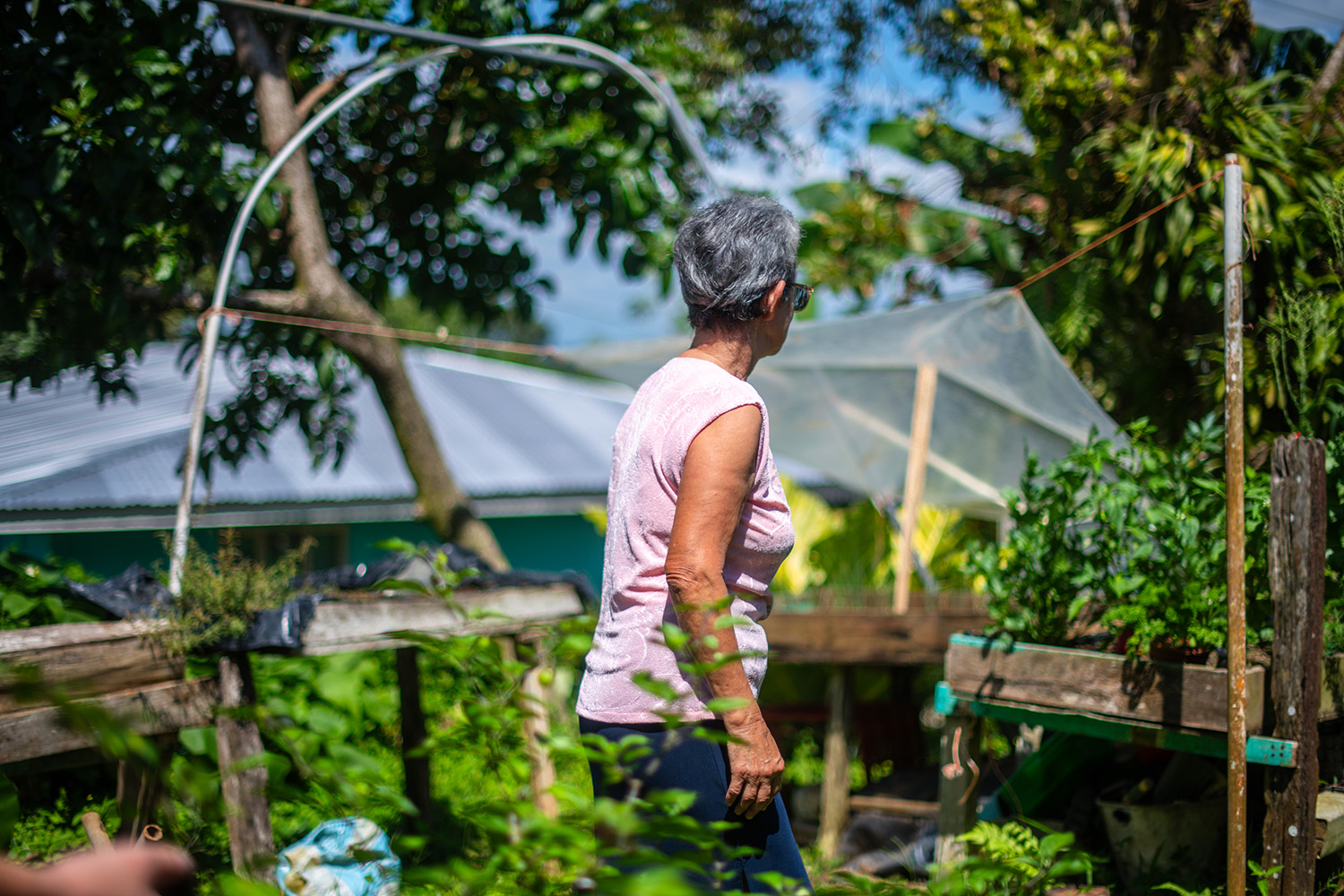
Today, Doris is applying what she learned. She prepares organic fertilizers, bio-ferments, and natural pest controls for insects that once damaged her crops. She uses garlic, microorganisms, and simple mixtures that allow her to protect plants without chemicals. She also built microtunnels, exactly as she was taught, and replicated them on her land with the help of her husband and children. Doris knows the purpose of each structure, what is planted in each space, and how to care for the soil when the sun is intense.
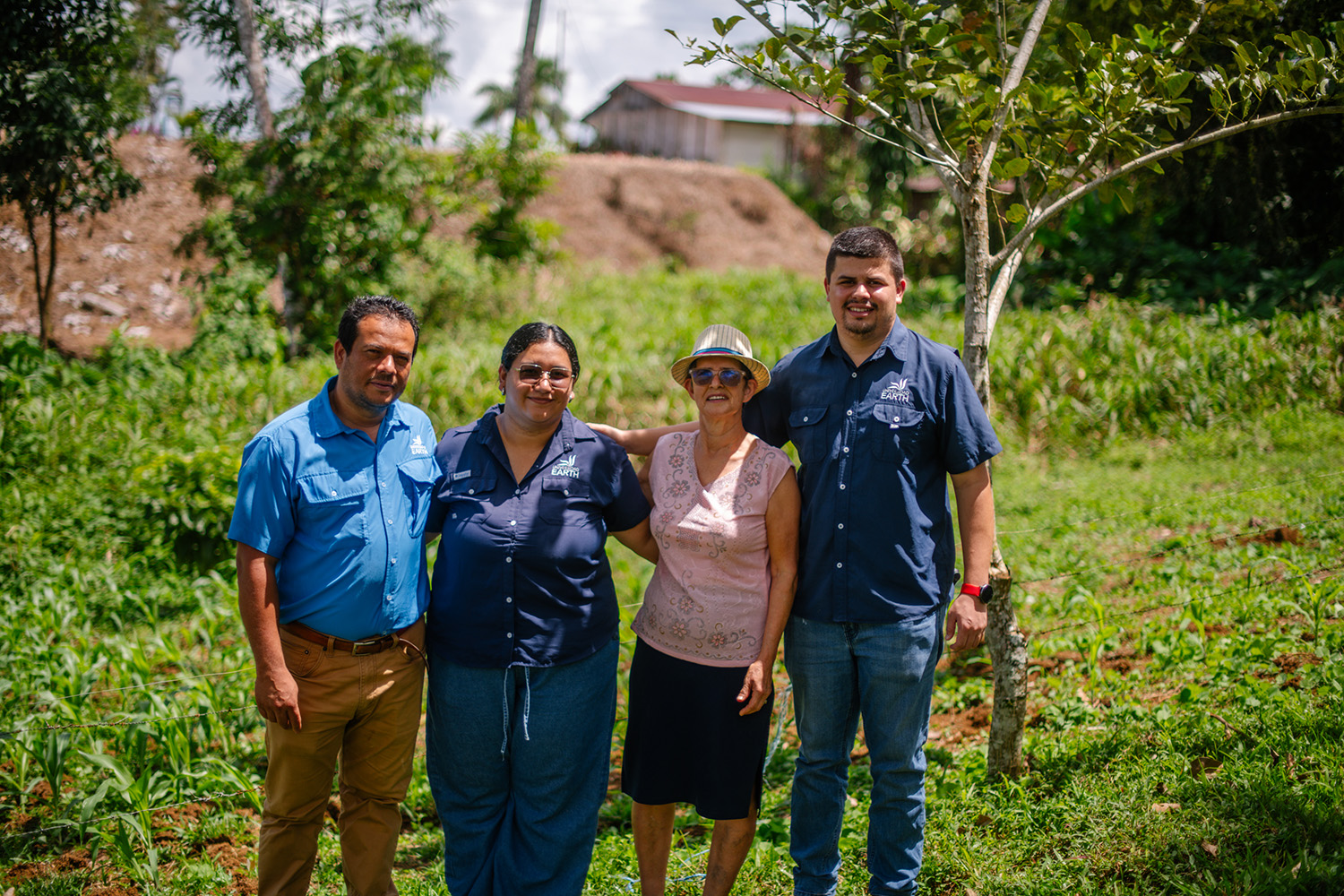
Doris is part of a group of women farmers—neighbors, cousins, and nieces of different ages—who organize themselves to plant, innovate, and create job opportunities in an area where women face significant challenges in finding employment. Together, they produce vermicompost, prepare organic fertilizers, and build planting beds.
They have a greenhouse they hope will allow them to sell their harvests and generate income for everyone involved. Doris encourages, explains, and demonstrates the processes she knows best—from how to hammer a nail to building a planting bed to the correct way to working with mountain microorganisms. She leads through experience, with her hands deep in the soil.
At 67 years old, Doris waters her plants every day, even when water is scarce. Her garden provides food for her family and her neighbors. Eating what she grows herself gives her peace of mind. She knows where the food comes from and the story it carries. For Doris, agriculture is health, well-being, and memory. It is also a way to continue learning, to stay active, and to show that knowledge has more than one way to enter in.